Selected earlier work
These devices belong to earlier Walkür Technology product lines. Alongside the hardware, original archive images show their historical browser interfaces and software tools. Click any image to enlarge it.
01 / Walkür Deauther Device
WDD 2.0
Portable devices for examining Wi-Fi networks and their susceptibility to disruption.
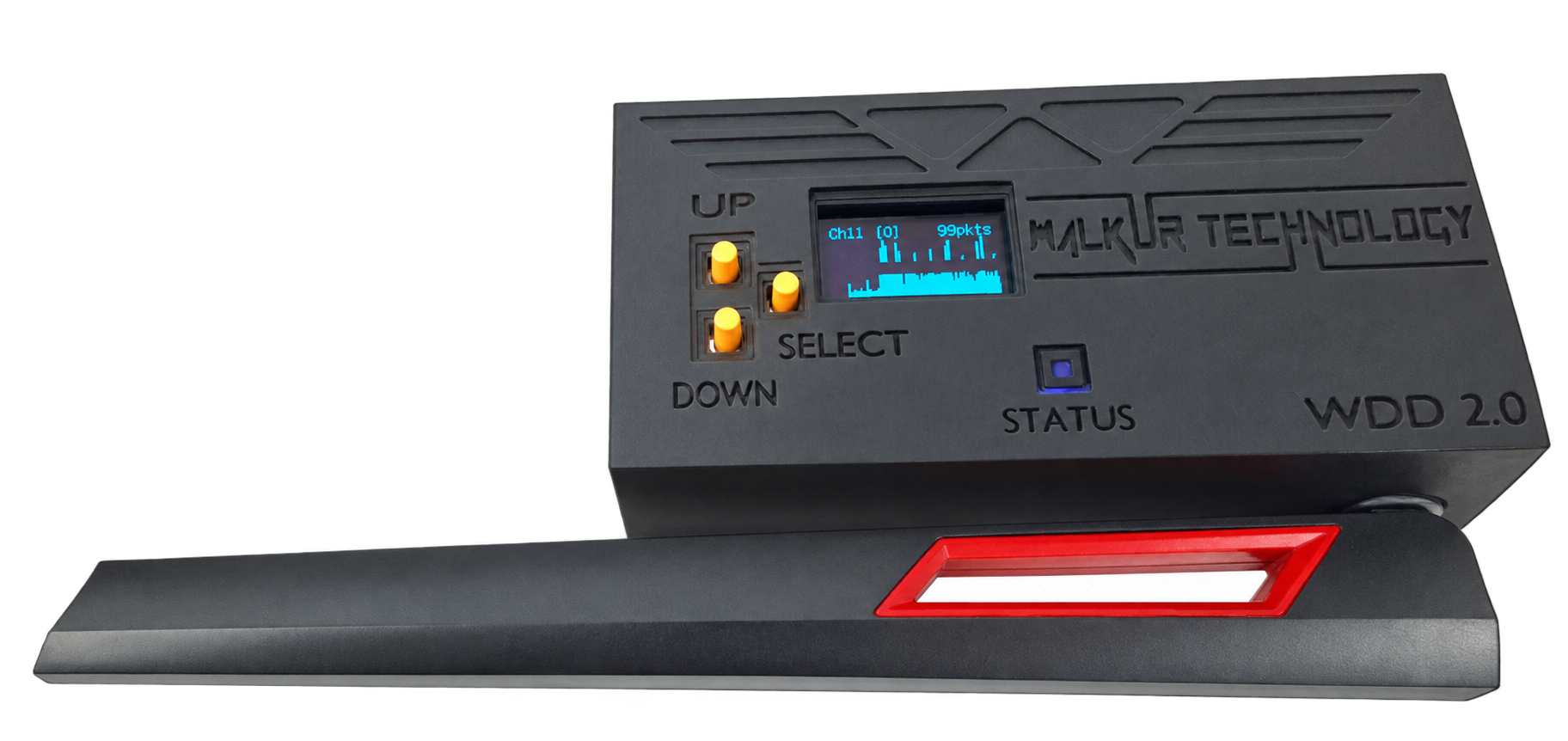
The WDD 2.0 succeeded the WDD 1.6, combining a display and physical controls with a revised enclosure.
Its enclosure, battery and browser interface came together in a portable tool for IT security testing.
- OLED display and physical buttons
- Battery for portable use
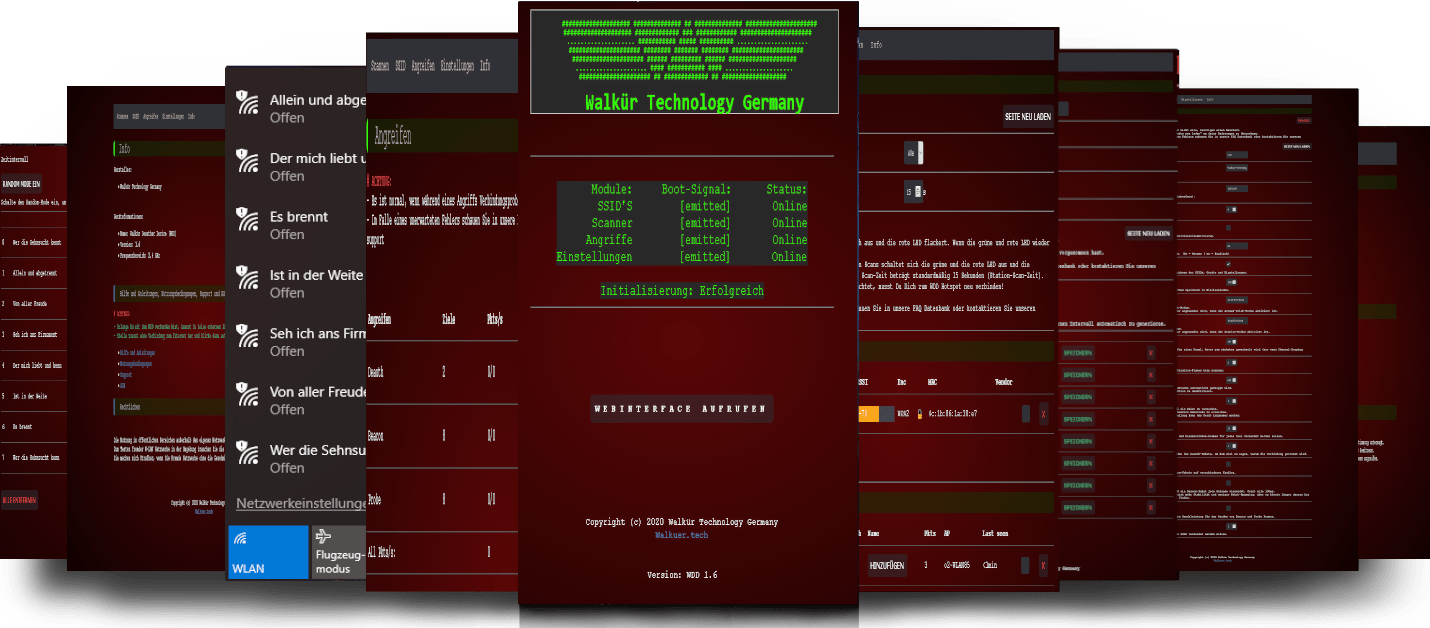
- Browser interface
02 / Walkür Ghost Device / BadUSB WiFi
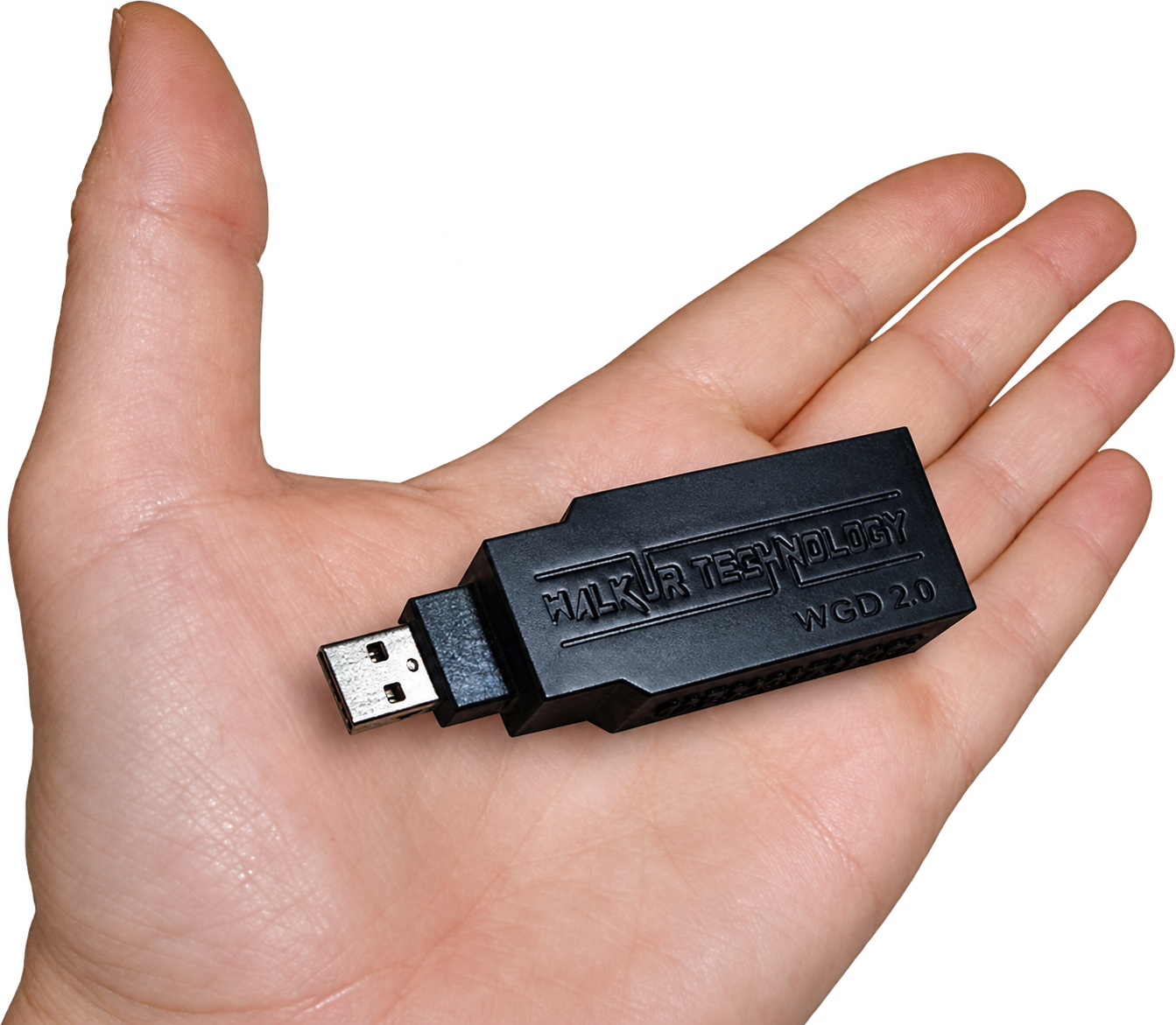
WGD 2.0
USB hardware and web software for automated keyboard input in IT security tests.
The WGD 2.0 connected a USB device with a browser interface accessible over Wi-Fi.
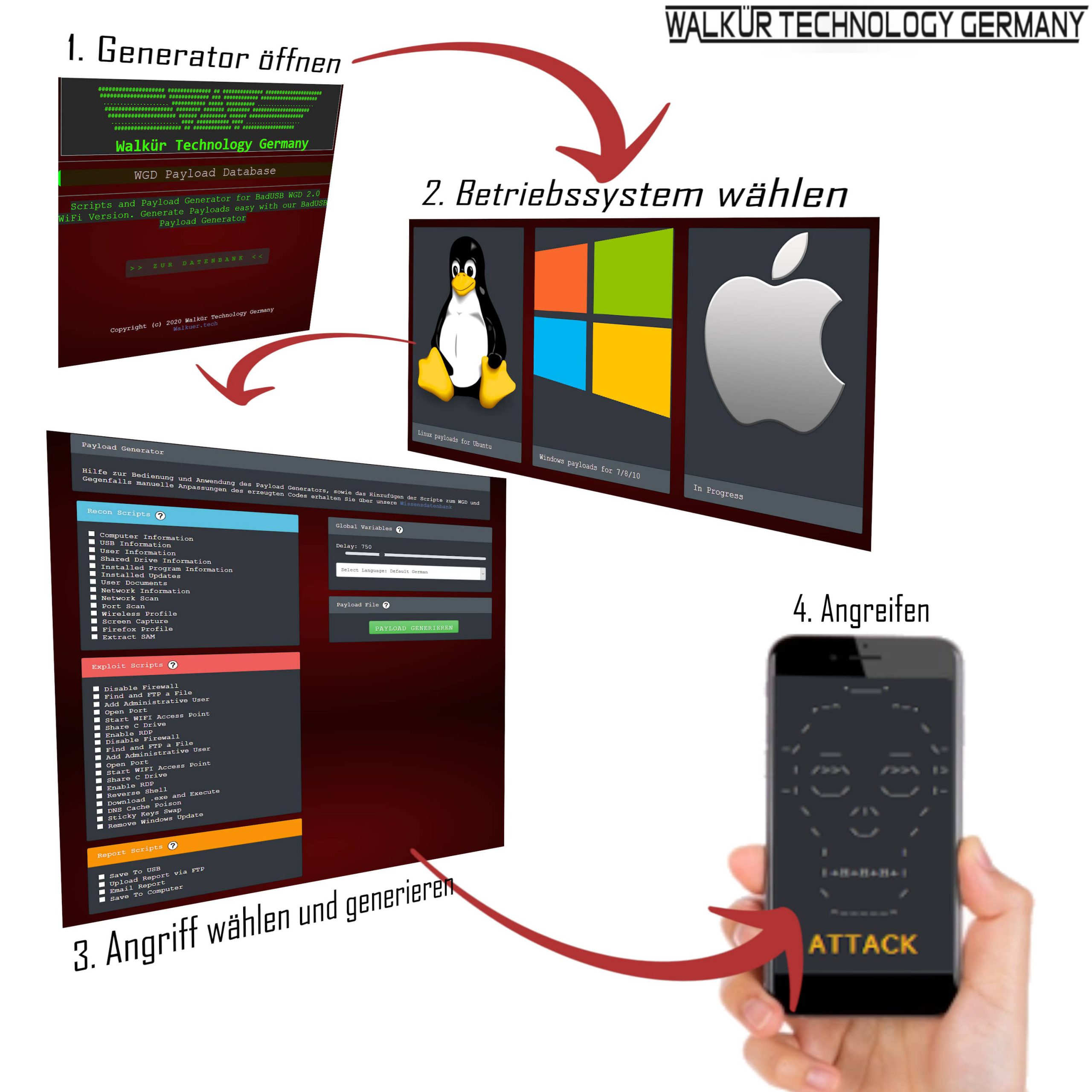
The companion WGD Payload Generator provided an interface for assembling test scripts.
- USB device with Wi-Fi
- Browser control
- Companion script generator
03 / Walkür Deauther Jammer / ESP8266
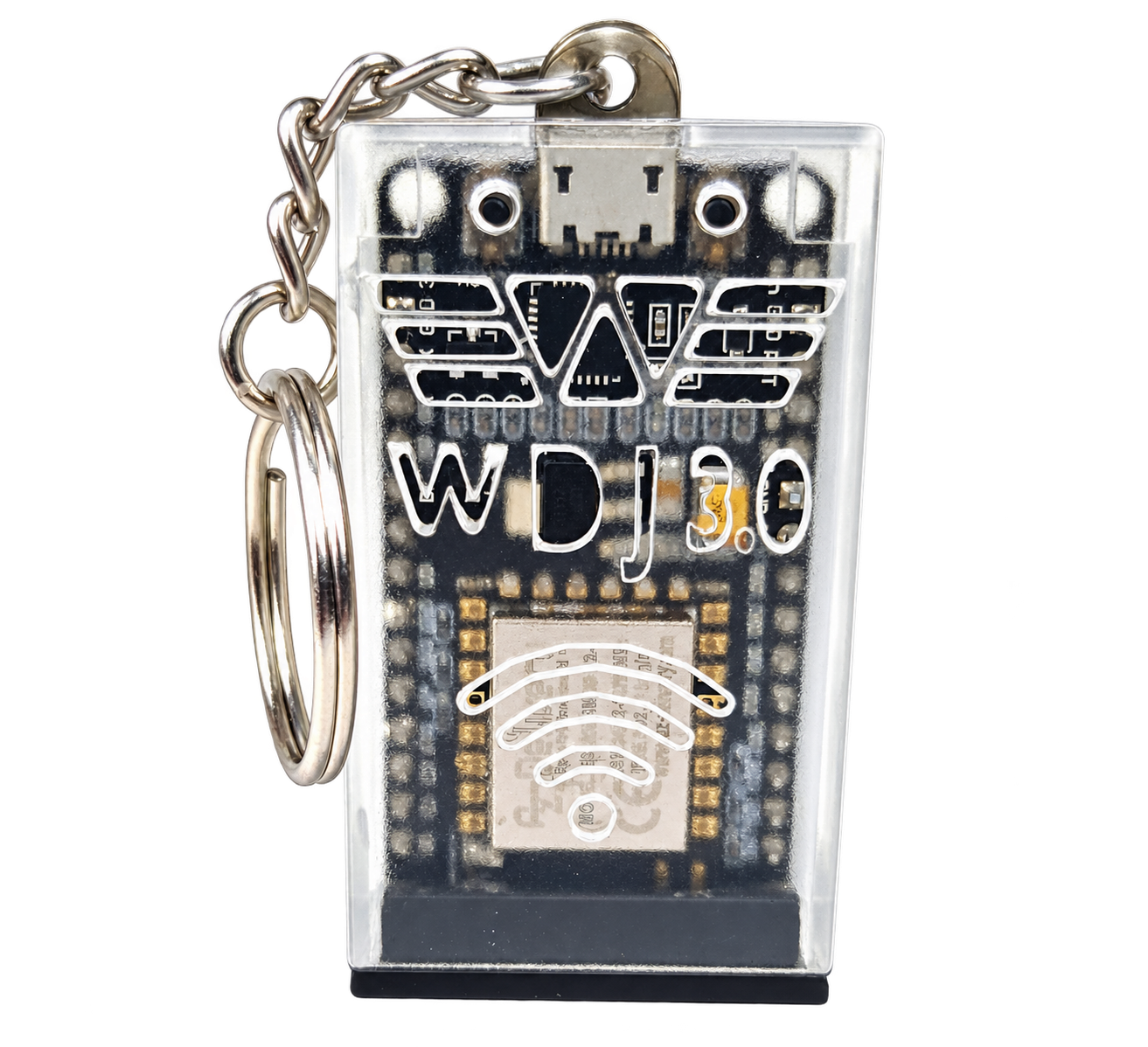
WDj 3.0
A compact ESP8266 product variant for Wi-Fi security testing.
The separate WDj variant was offered alongside the WDD product family.
It combined a compact device with preinstalled firmware v3.0 and a browser interface in German and English.
- Based on the ESP8266
- Preinstalled firmware v3.0
- German and English interface
04 / The earlier WDD generation
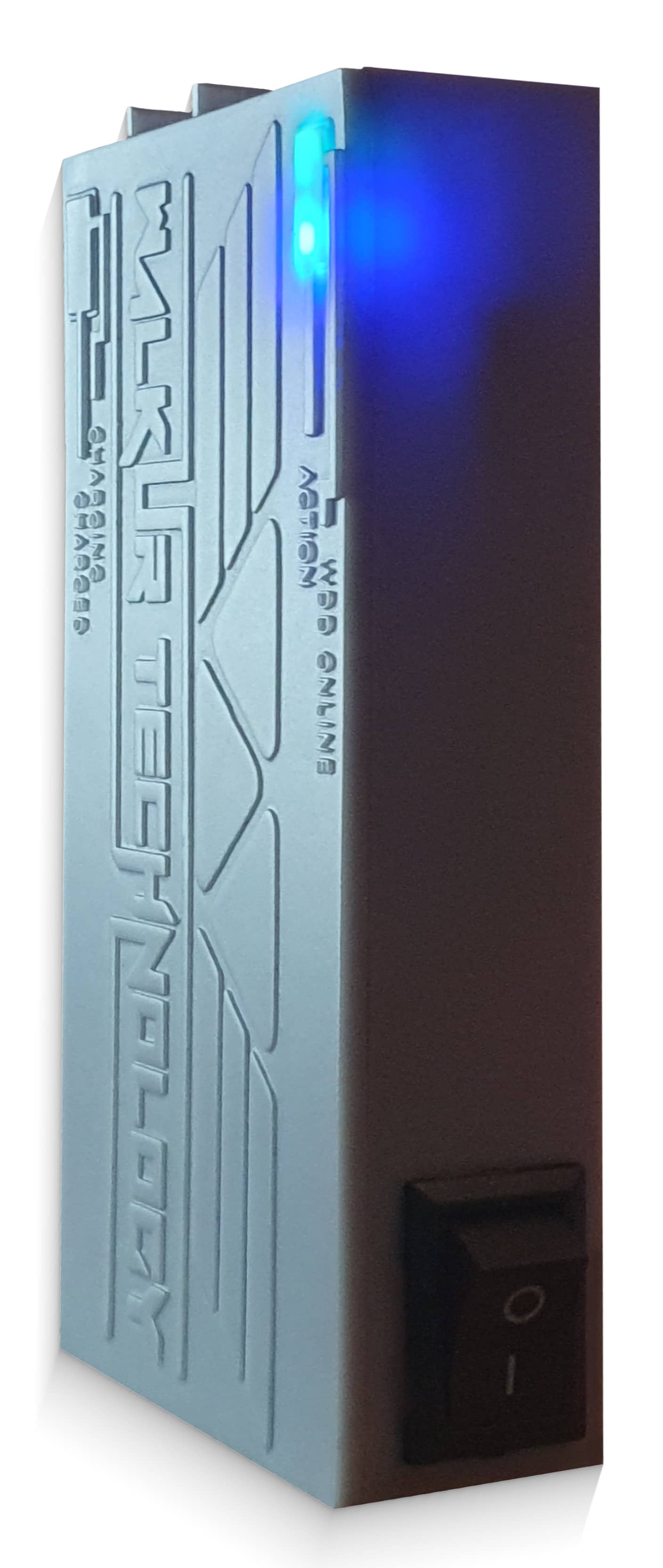
WDD 1.6
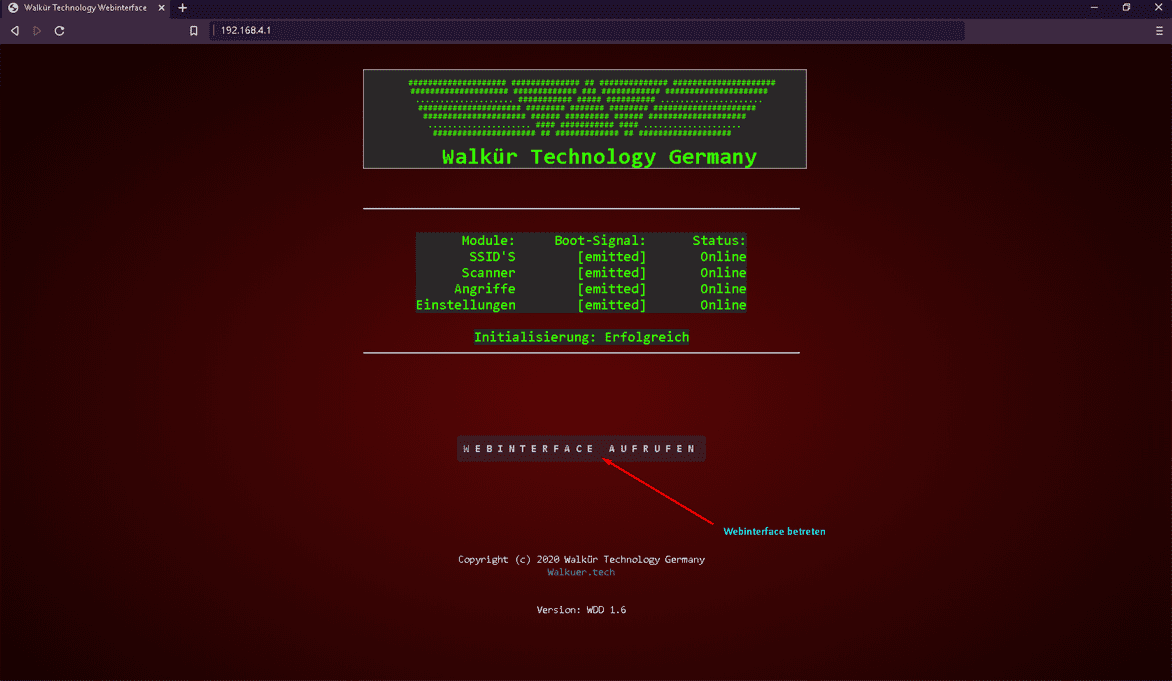
The predecessor to WDD 2.0 combined a portable Wi-Fi testing device with a graphical browser interface.
The device could be operated from a smartphone or PC. An integrated LiPo battery supported portable use, and the device could also operate while charging.
The original product page records the end of WDD 1.6 production and identifies WDD 2.0 as its successor. The original photograph shows the earlier grey enclosure.
- Graphical browser interface
- Integrated LiPo battery
- Later succeeded by WDD 2.0

 Device
 Web interface